
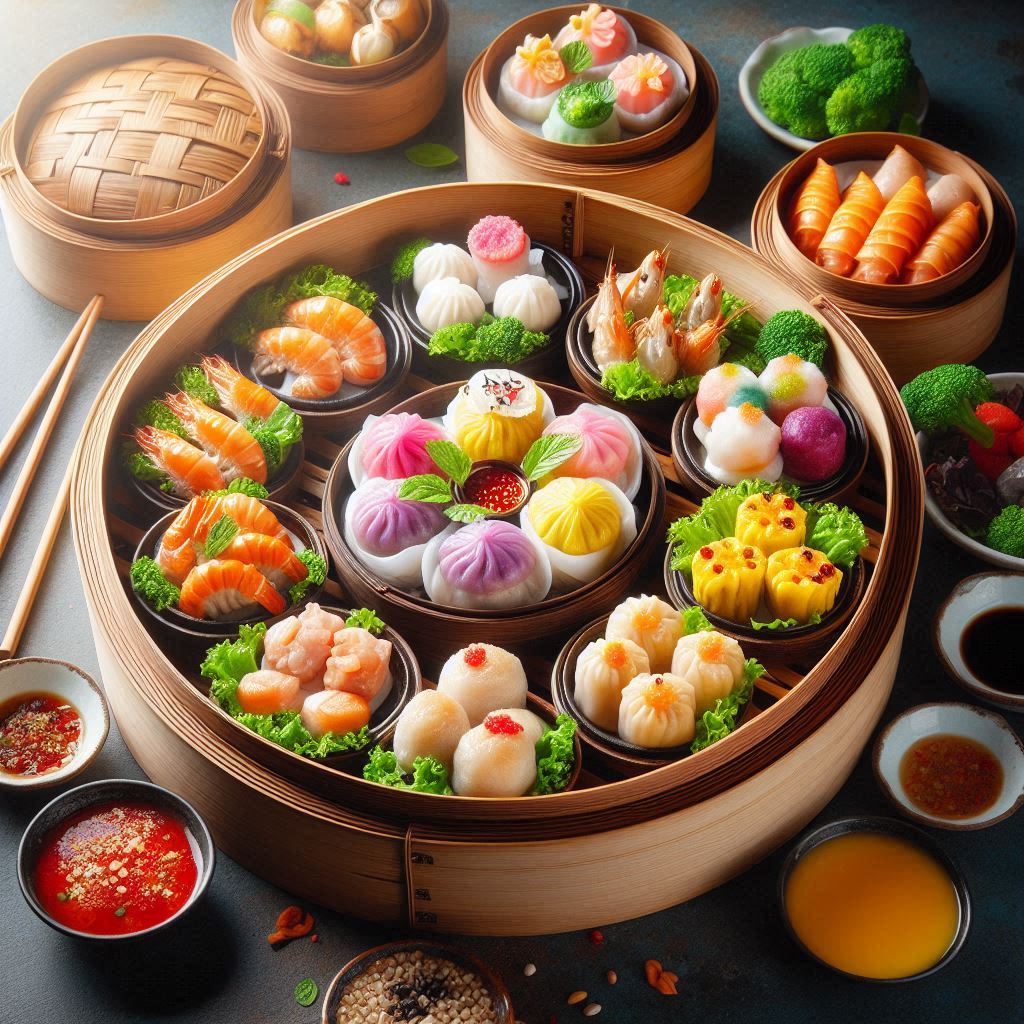
Chinese dim sum is more than just small plates of food. It is a culinary adventure that invites you to explore a world of flavors, textures, and traditions. Originating from Cantonese customs, dim sum features a wide range of delicacies served in bite-sized portions. These portions are perfect for sharing and trying out different tastes. In this article, we’ll share our thoughts on what to order and how to enjoy the art of dim sum from start to finish!
Exploring the Diverse World of Dim Sum
Dim sum is known for its wide range of choices, from steamed dumplings to soft buns and tasty rice rolls. When you sit down for a dim sum meal, you’re not just ordering food; you’re taking part in a tradition that has developed over centuries. Each dish uses local ingredients, cherished family recipes, and combines savory and sweet flavors. While dim sum has changed over time, it still keeps the traditional techniques passed down through generations.
The appeal of dim sum also comes from how it looks and the setting where it’s served. Each dish is thoughtfully made to please the senses, whether it’s the soft texture of steamed dumplings, the crunch of fried spring rolls, or the special scent of buns made with fermented dough. For those new to dim sum, a quick look at the menu often shows classic dishes that are a great introduction to this rich and visually striking culinary tradition.
Getting Started with Dim Sum Orders
If you are new to dim sum, we suggest you start with classic dim sum dishes that demonstrate the culinary artistry of dim sum as it was meant to be served. We would suggest starting your dim sum experience with a selection of light and steamed dumplings from a traditional bamboo steamer because this will create an authentic feel to your dining experience. For example, you could try har gow (蝦餃 Hāa Gáau), which features a translucent wrapper containing a succulent filling of shrimp; siu mai (燒賣 Sīu Māai), which combines pork with shrimp flavored with various spices; and char siu bao (叉燒包 Chā Sīu Bāau) that has a rich barbecue–flavored filling of barbecue pork. You may want to also try rice rolls, called cheung fun (腸粉 Chéung Fán), filled with shrimp, beef, or vegetables and a light drizzle of sweet soy sauce; and sticky rice wrapped in lotus leaves (糯米雞 Noh Máih Gāi), which is glutinous rice steamed with mushrooms and meat, giving it a unique earthy flavor.
Considerations When Ordering Dim Sum
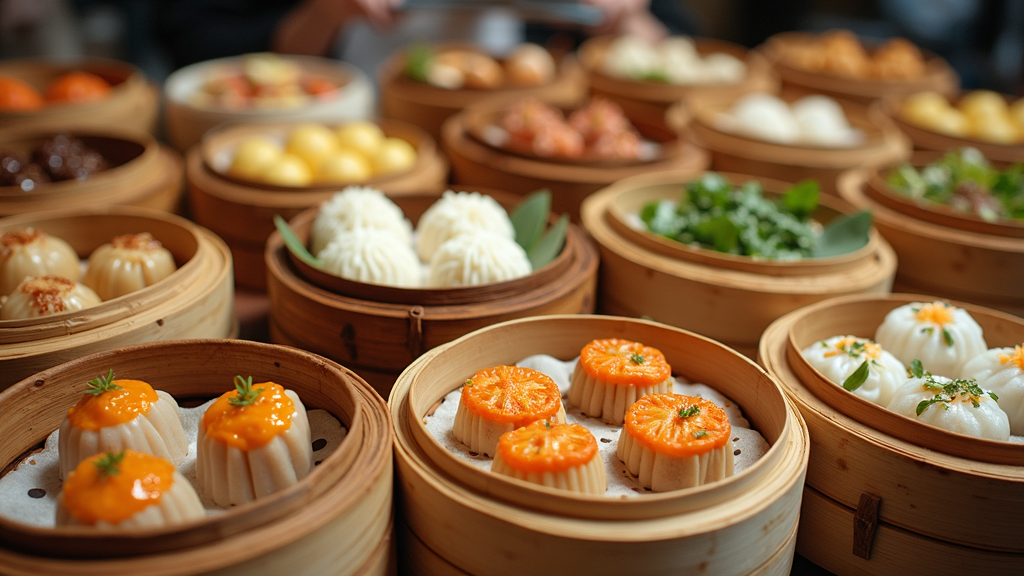
When looking at the options available on a menu, think about what factors will improve your meal. Freshness and preparation are essential because the freshest items allow for subtle flavors that are complemented by softer items and fragrant herbs and spices. Seasonal vegetables and produce change regularly, so each time you go to the restaurant, you will have something new to experience while still enjoying your favourite dishes. Because dim sum is typically eaten by sharing your food with other diners, having an opportunity to discuss your choices makes the dining experience even more enjoyable. The atmosphere created by the design of a traditional Chinese tea house enhances the enjoyment of the meal since it creates a warm, inviting space in which time has faded away from our thoughts.
Advanced Tips for the Dim Sum Connoisseur
If you enjoy the basic dim sum and wish to expand that enjoyment, then trying lesser-known types of dim Sum is another fun way to experience that enjoyment. The most effective way to find and try all of the assorted types of dim sum is to order many different types of dim sum so that you can sample each style and see the slight differences between each type. While some of the popular styles of dim sum are Har Gow (虾饺) and Siu Mai (烧卖), you should branch out and try some less-known specialty options such as Steamed Spare Ribs (蒸排骨 Jīng Páai Gwāt), Lotus Seed Dumplings (蓮蓉包 Lìhn Yùhng Bāau), or even Modern Fusion versions of traditional dim sum recipes. These will offer new and creative interpretations of the classic-style dim sum, but will still preserve the authenticity of the traditional Chinese culinary art.
In order to experience a more noteworthy Dim Sum experience than you may otherwise expect, you should also pay close attention to the day’s specials that your restaurant staff discusses with you. Special suggestions will usually consist of the freshest and the tastiest items your restaurant will sell that particular day. Further, you should observe how each of the dishes were prepared. If the dishes are served hot from the steamer or if there is extra effort put into the method of presenting the dish, that usually indicates a level of importance to the quality of the dish. These advanced recommendations will allow you to refine your palate further and to appreciate fully the art and evolution of Chinese dim sum!
Practice makes perfect as they say. The Essential Wok Cookbook by Naomi Imatome-Yun is a great choice for beginners! This book is your guide to mastering the wok, the versatile pan that makes possible all of the Chinese restaurant dishes you love–no extra salt, oil, or MSG required.
Dim Sum Varieties: Highlights of Chinese Culinary Art
Many types of dim sum give you a variety of different ways to eat it. Some of the dumplings and buns include har gow and siu mai, and, of course, char siu bao. All of these choices will produce both sweet and savoury bites – the combination is outstanding! Then, you have Cheung Fun, or rice noodle rolls, which have a soft texture and delicious fillings, and a variety of steamed and fried foods, which provide additional variety. Spring Rolls (春卷Chēun Gyún), deep-fried Yam Cakes (芋角Wuh Gok), and even sweet items like Egg Tarts (蛋撻Dáan Tāat) and Sesame Balls (煎堆Jīn Dēui) offer a balanced experience! In addition to these items, many dim sum restaurants offer savoury congee and soup dumplings for your comfort. With all of this, the entire concept of dim sum is meant to create an atmosphere where people can experience food and flavours together!
Frequently Asked Questions
Question: What is the best approach to ordering dim sum for the first time?
Answer: Your first step in setting up your menu should be a combination of time–honored favorites such as har gow, siu mai, and char siu bao. By sampling these items, you can begin to explore the many different flavor and textural profiles that characterize a wonderful dim sum experience.
Question: How do I know if the dim sum is fresh?
Answer: Fresh dim sum is almost always served piping–hot from the steamers and will be composed of tender, fluffy textures and bold, rich flavors that reflect the use of quality ingredients and thorough attention to the cooking process.
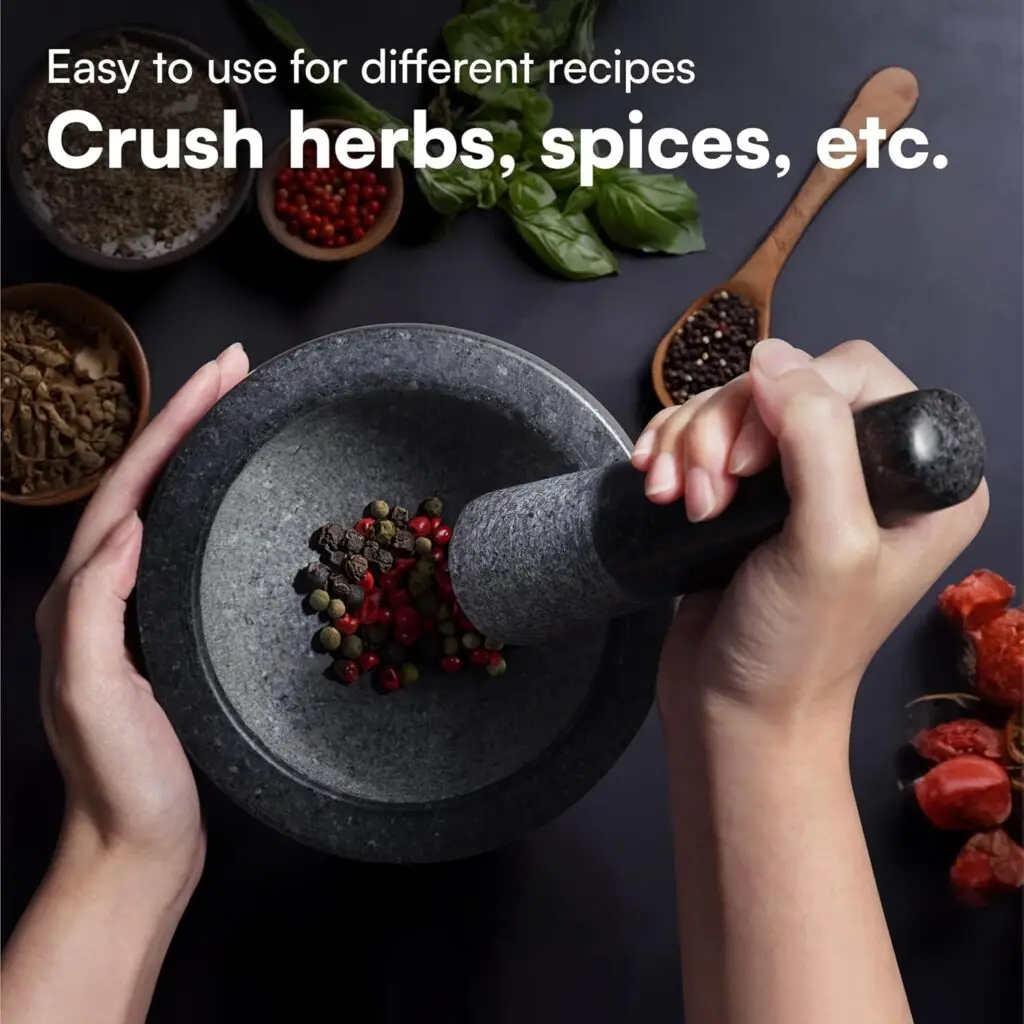
Upgrade your dim sum game with a Granite Mortar & Pestle—perfect for grinding spices and crushing garlic. Made from solid granite, it’s sturdy, naturally non-porous, and a breeze to clean. A kitchen essential for authentic flavors! Grab yours here:
H&S Pestle and Mortar Set Premium Solid Granite Stone Large Black – 16cm(6.3″) Diameter
- Premium Quality Granite
- Versatile Mixing Surface
- Dimensions: 16cm (6.3”) x 8cm (3.15”), Interior Bowl: 12cm (4.7”) x 6cm (2.4”), Pestle: 17.5cm (6.9”) x 4.3cm (1.7”).
Wrapping Up the Dim Sum Experience
Dining in Dim Sum is more than just a meal; it’s an Ascian art form; it’s an opportunity for everyone to celebrate together as a group sharing their history and culture. Dim sum, which is written in Chinese as “dim sum”, refers to all the small plates that you would eat during a dim sum sitting. Each small plate takes you back to a different point in your life, with each offering telling you a story that defines your culture. So when you sit down to eat dim sum, you’re not just consuming something delicious; you’re also connecting with family and friends through the experience of enjoying small plates of food together.
When you dine in Dim Sum, be sure to pay attention to the different textures and flavors that are found within your dim sum. There is so much variety in this type of meal; some will be familiar; some will be new. Enjoy the experience of dining in Dim Sum by appreciating the culinary skill and traditions that have been passed down through many generations to bring you the best possible experience in dining. The ambiance of your dim sum restaurant, along with the quality of the ingredients used and how they are presented, is part of the true definition of using “dim sum” as a means of fine dining. Embrace the experience of trying new things that you may not have eaten previously. Use your taste buds to guide you through the process of experiencing history as you embark on a culinary adventure.
Pro Tip: Navigating dim sum like a local starts with your chopstick skills! For dealing with those slippery cheung fun, check out our guide to choosing the perfect chopsticks at home!
What are your dim sum favourites? Let us know!
*Here’s a little transparency: Our website contains affiliate links. This means if you click and make a purchase, we may receive a small commission. Don’t worry, there’s no extra cost to you. It’s a simple way you can support our mission to bring you quality content.*
Hey thanks for sharing your thoughts. I use to eat a lot of dim sum when I visited Asia but haven’t found any decent places in Dublin, Ireland where I now live. Do you have any recommendations?
Thanks very much Jason! My new favourite dim sum restaurant is China Tang, its just south of Dublin City in Monkstown and is definitely one of the tastiest places I’ve tried. Tell them that Cian sent you! 🙂
Great – thanks for the tip. Will check it out. Nice site by the way, learning a lot !!
Absolutely love dim sum but it can be hard to find good places outside of the different Chinatowns in other countries. Would love to see more traditional Chinese restaurants in the West. Way to much saucy non-Asian dishes these days.
Hi Benny, absolutely agree! It’s tough to find authentic dim sum outside Chinatowns, but so worth it when you do. Here’s hoping more traditional spots open up—nothing beats the real deal!
Loved this guide, perfect for a first dim sum run. I usually start with har gow, siu mai, and a steamed veggie plate, then add something crispy for texture. For a vegetarian guest, which classic picks would you suggest beyond veggie dumplings? And for tea pairings, do you prefer jasmine, pu erh, or oolong to balance the richer dishes?
Marios
Hi Marios, thank you for your wonderful comment! For your vegetarian guest, I’d recommend starting with steamed mushroom buns for their savory flavor and fluffy texture, along with pan-fried turnip cakes that offer a nice crispy exterior. The crispy taro puffs would also be a great addition for some textural variety.
For tea pairing, I would strongly recommend pu-erh. Its rich, earthy character complements the savory dim sum dishes particularly well and helps balance the meal beautifully. Hope you and your guests have a fantastic dim sum experience!
Nahh 流心包 da best 👑👑. The moment you tear it apart, a golden stream of silky custard spills out like sunlight escaping a cloud. The bun itself is soft and pillowy, steam curling from the inside, carrying a warm, comforting smell.
Now THAT is how you describe 流心包! You absolutely get it! 😊 You’ve just made me desperately crave one with that beautiful description. You’re so right, the contrast of the soft bun and rich, liquid core is just too good, it’s pure dim sum perfection. Clearly, you are a true connoisseur! 😆
This is a beautifully written and very informative guide, Cian! You do a great job explaining not just what to order, but the culture and tradition behind dim sum, which makes the experience feel much richer. I especially like how you guide first-timers while still offering tips for more experienced dim sum lovers. The balance between classic favorites and lesser-known dishes is spot on. A great read for anyone wanting to enjoy dim sum with confidence and appreciation—well done!
Thank Monica! I’m so happy you enjoyed the guide and found it informative! It’s nice to know that the cultural context and balanced dish selection was interesting for you. Wishing you many fantastic dim sum meals ahead!
Thanks for the article! I love dim sum 🙂 I’m even using this website for reference for my homework research!
Haha, great to hear!! Hope the article is useful for your research 😆
Hello Cian!
Ooh, this guide made my mouth water! I’m always a little intimidated walking into a dim sum spot because there are so many choices, but this breakdown feels like a friend walking me through what to actually order first. I love that you explained dishes in real, easy-to-understand terms instead of just naming them — that helps so much when you’re staring at a cart rolling by and have no idea what half of it is!
Quick question — in your experience, what’s the one dim sum dish people always regret not ordering again? And are there any local favorites or “secret menu” items that aren’t on every list but are totally worth trying? This definitely gave me the confidence to dive in next time I’m out with family or friends — thanks!
Angela M 🙂
Hi Angela, I’m really glad the guide felt helpful! To answer your questions, a more obscure dish is White Sugar Cake (Bak Tong Go), a subtly sweet, chewy fermented cake that’s easy to skip but totally memorable. As for a lesser-known local favourite, try looking for Chicken Feet in Abalone Sauce, which is a richer, more aromatic take on the classic chicken feet, or another is Cha Jiang Bao which are steamed buns filled with a savoury fermented bean curd paste. Both are really unique and often don’t make the tourist lists. Enjoy your next meal!
Thanks for sharing the article
Dim sum is more than just small plates of food; it’s a shared dining experience rooted in tradition, variety, and connection. With its mix of steamed, fried, sweet, and savoury dishes, dim sum encourages exploration, conversation, and appreciation for flavours and techniques passed down through generations.
Keep up the good work!